
Category Archives: Fly Patterns
Isonychia
These mayflies are a precursor to the hex hatch but can happen at the same time. They  come out during evening hours and are burrowing nymphs like the hex. Try these in different shades and remember when fishing hex, bigger is better especially after dark.
Recipe:
Hook: 2x dry fly hook
Thread: Brown, crisscrossed over body
Wing. Dun colored turkey flat or deer hair tied parachute
Body: Burgundy dyed deer
Hackle: Grizzly
Tail. Moose hair
Directions: Tie in the tail, wrap forward and tie in the wing post style. Tie in the body covering the shank lengthwise and let it go beyond the wing and tie it on with a crisscross wrap. (Let the body flair out beyond the bend but not as far as the tail.) Tie on the hackle. Keep this fly sparse and light.
Note: There are easier patterns, more traditional, but none more effective.
Category Archives: Fly Patterns
CDC Emerger
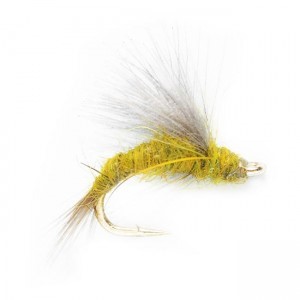
Use this for a variety of mayflies as they are emerging. It is effective in different colors to match the hatch, ie., olive, yellow or dun.
Recipe:
Hook: Any Short Shanked Nymph Hook
Size: 14 -20
Thread: Olive (Match Body)
Tail: Blue Dun Hackle Fibers
Body: Olive Dubbing
Wing: Clump of Natural CDC Tied Short, Slanted Over Body
Directions: Tie in the tali at the down turn of the bend of the hook. Apply the dubbing 3/4 of the way forward. Tie in the CDC and apply more dubbing beyond to form a head. (The wing should appear to be protruding from under the head.) Tie off without forming a formal head.
Note: Keep a variety of different colors handy, this is a good searching pattern.
Category Archives: Fly Patterns
Letort Hopper

These patterns are a staple during the hot summer months when hoppers and crickets are jumping. They are easy patterns to tie with the cricket being tied exactly the same way with the same materials only in black.
Recipe:
Hook: Mustad 94831 or 9671 size 8 – 16
Thread: Yellow
Body: Yellow Fur or Poly
Wing: Single Oak Turkey Wing Quill Segment cut to shape and lacquered.
Head: Spun Deer Body Hair, clipped to shape.
Directions: Dub on the body and tie on the wing segment flat over the top of the shank, allowing it to protrude slightly beyond the bend. Tie on a segment of deer body hair beyond the eye leaving enough room for the head which is spun and cut to shape. Trim the deer body hair so it only covers the top of the hook, exposing the belly.